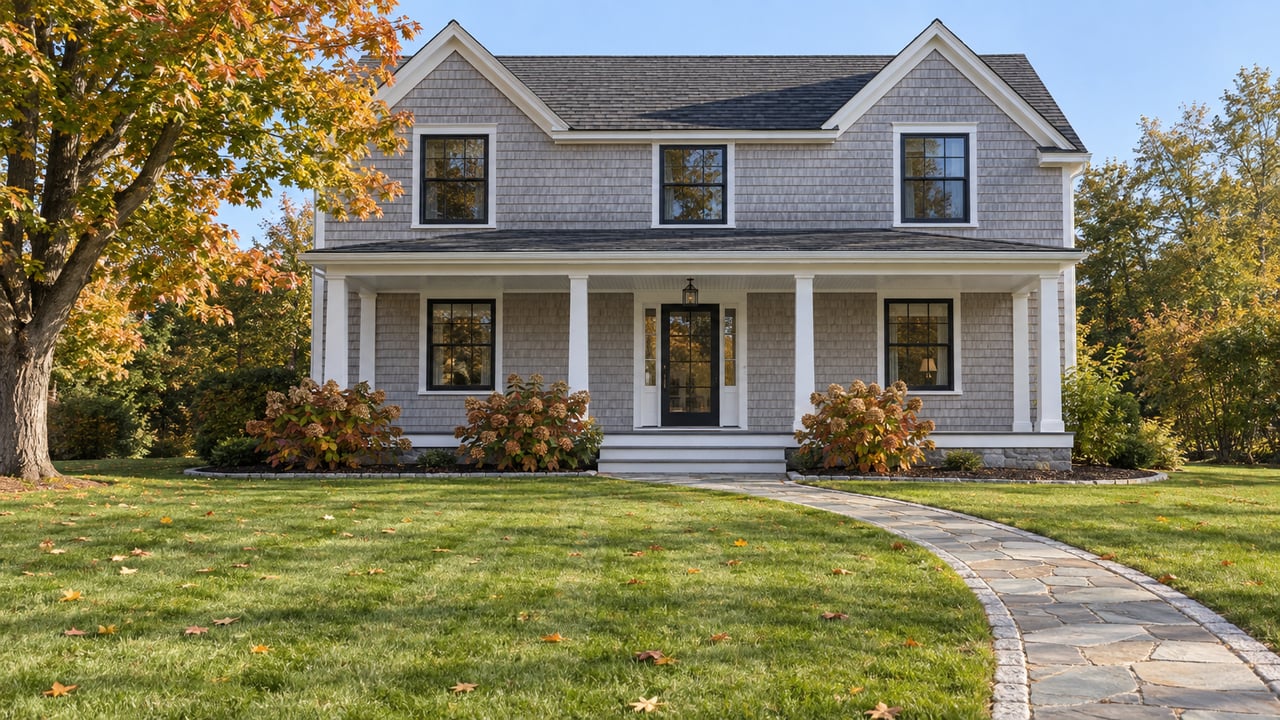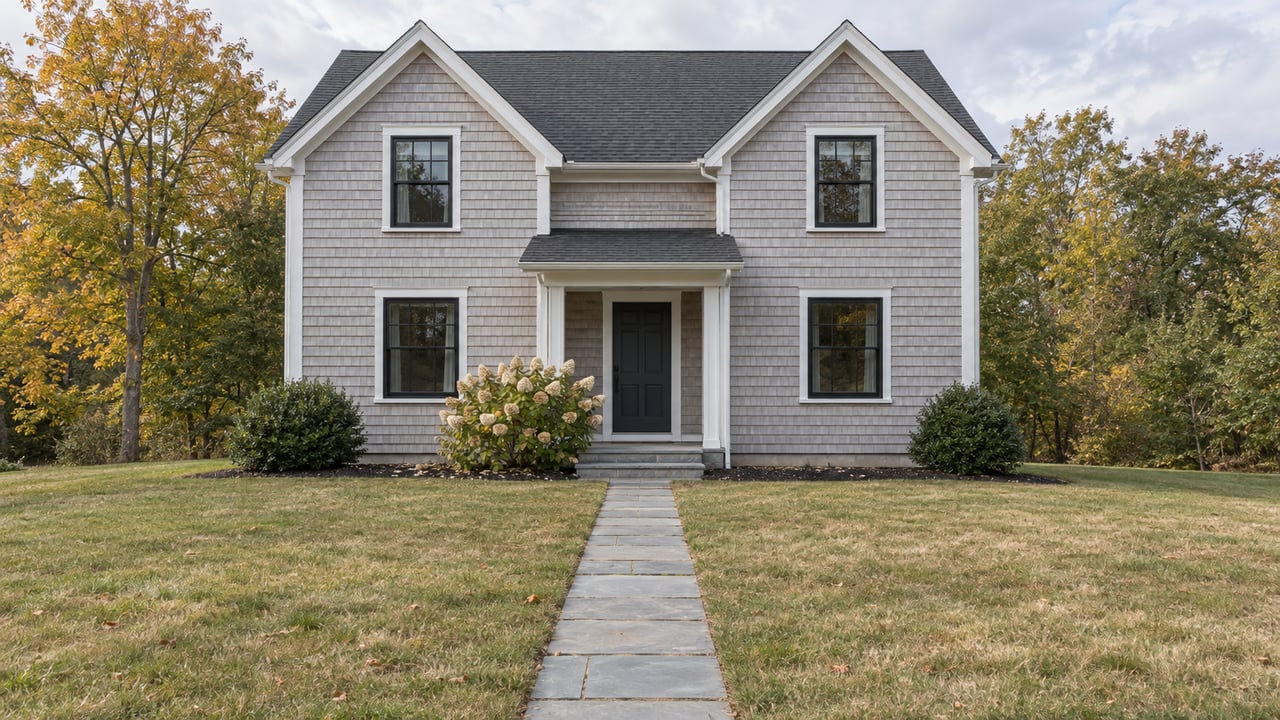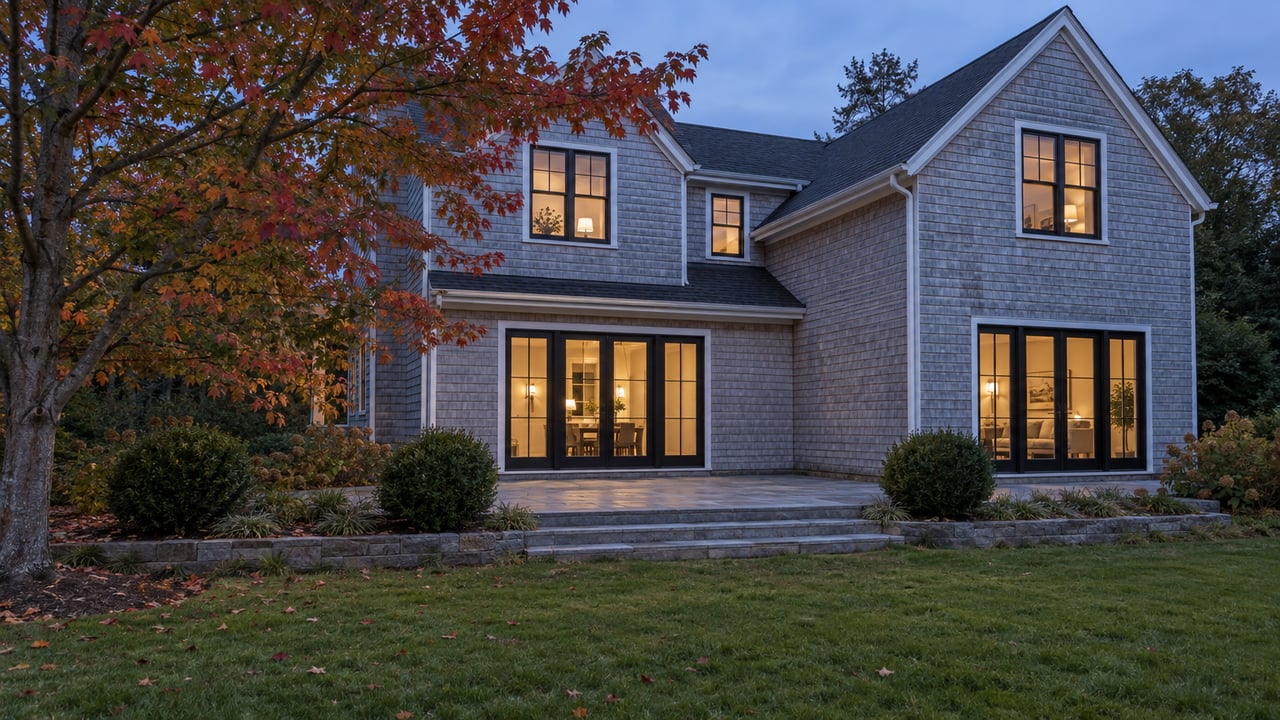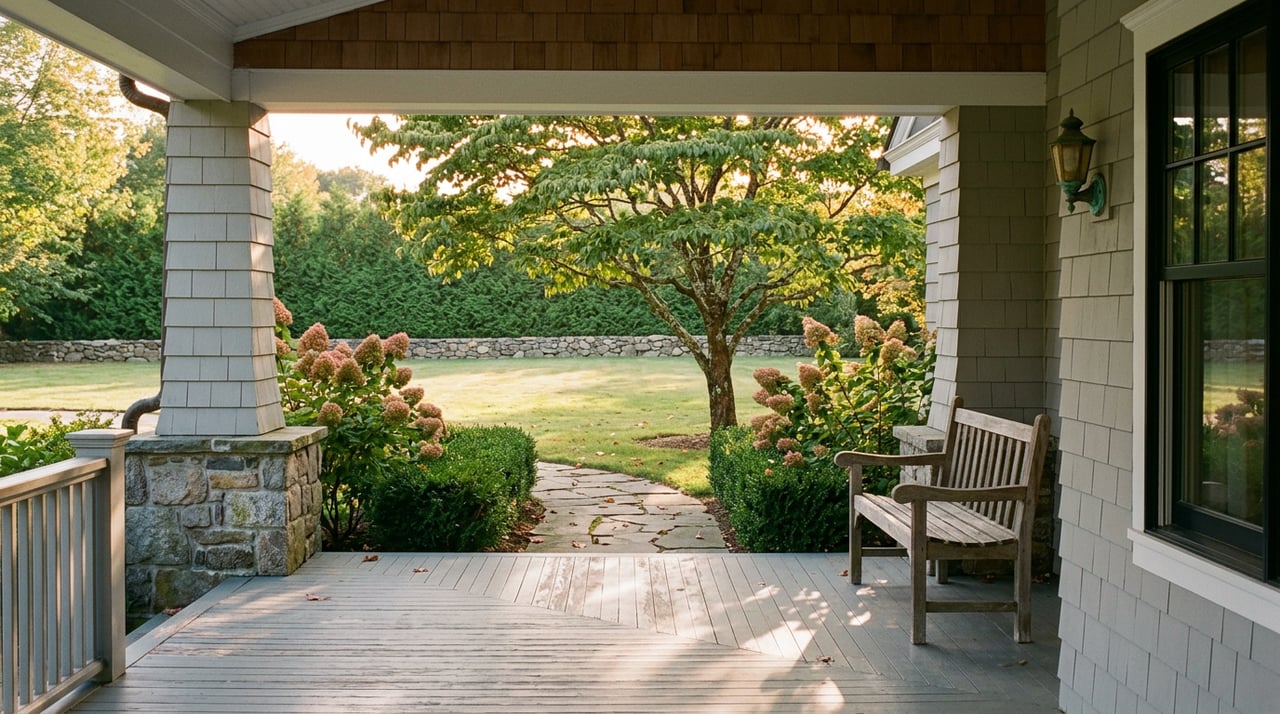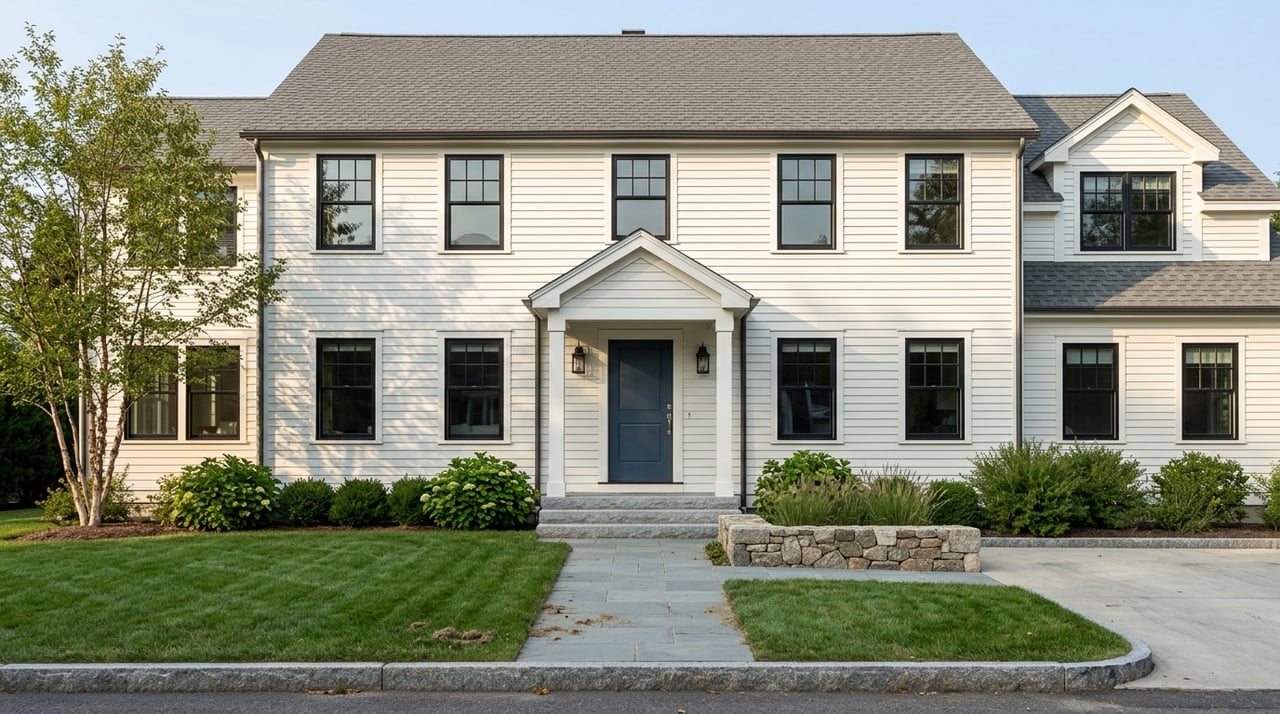
If you are watching the Marshfield market, you have probably noticed two things at once: homes can move quickly, and no two properties feel quite the same. That can make the single-family market feel exciting, but also a little harder to read, especially if you are trying to buy smart or price a home correctly. In this guide, you will get a clear look at how Marshfield’s single-family home market is behaving, what makes this town different from other South Shore locations, and what buyers and sellers should pay close attention to. Let’s dive in.
Marshfield Market Basics
Marshfield is a coastal town in Plymouth County near the center of the South Shore. Local planning documents classify it as an Established Suburb, with a residential pattern shaped mostly by owner-occupied single-family homes on lots under one acre.
That matters because it helps explain both the character of the housing stock and the limits on growth. Most new housing change comes from infill and redevelopment, not large new subdivisions, which can keep supply tight even when more listings hit the market in spring.
The town’s year-round population is about 25,825, and that number rises to about 40,000 during busy summer months. In a coastal market, that seasonal shift can influence activity, buyer attention, and how people think about location and lifestyle.
Single-Family Market Snapshot
Recent data show a market that remains active, with pricing holding up well even as inventory improves. Across major public platforms, Marshfield homes are generally selling close to asking price, and many still move in a fairly short window.
Zillow reported a typical home value of $815,517 as of May 31, 2026, up 3.9% from a year earlier. It also showed 65 homes for sale, 36 new listings, a median list price of $852,967, and homes going pending in about 8 days.
Realtor.com’s May 2026 summary showed 52 homes for sale, a median listing price of $825,000, median days on market of 20, and a sale-to-list ratio of 100%. It also described Marshfield as a balanced market and noted that active listings were up 25.42% year over year.
Redfin’s three-month snapshot ending in May 2026 reported a median sale price of $797,023, median days on market of 25, and a 99.9% sale-to-list ratio. It also found that homes received 3 offers on average and that 43.3% sold above list price.
Inventory Is Improving
One of the biggest recent shifts in Marshfield is inventory. Massachusetts Association of Realtors single-family data showed active listings rising from 16 in February 2026 to 19 in March and 38 in April.
Months of supply moved from 0.8 in February to 1.0 in March and 2.0 in April. New listings also climbed from 8 in February to 20 in March and 47 in April, which suggests the spring market brought more choices for buyers.
Even with that improvement, Marshfield still reads as a relatively low-supply market. Two months of supply is still not a large cushion, so desirable homes can continue to attract strong attention when they are priced and presented well.
Pricing Has Stayed Resilient
More inventory has not meant weak pricing. MAR year-to-date median sales price was $823,000 in February, $780,000 in March, and $840,000 in April, while the April monthly snapshot came in at $882,450.
Those numbers show why broad headlines do not tell the full story. Marshfield can see noticeable month-to-month swings, and the local report notes that one month can look extreme because the sample size is small.
For you as a buyer or seller, the takeaway is simple: look at trends, not just one number. A single-family market like Marshfield can stay competitive overall while still producing very different results from one home to the next.
List-to-Sale Trends Matter
Marshfield sellers are often landing close to asking price, but not every listing performs the same way. MAR reported original list price received at 96.7% in February, 93.3% in March, and 101.0% in April on the monthly snapshot.
The year-to-date figure moved from 99.2% in February to 97.0% in March and 98.6% in April. That pattern points to a market where strong pricing strategy still matters a great deal.
A well-positioned home can compete strongly and even move above list in some cases. An overpriced home, on the other hand, can lose momentum fast, even in a market that still has limited supply.
What Makes Marshfield Different
Marshfield is not just another suburban single-family market. Its housing stock, village layout, and coastal conditions all shape how homes are valued and how buyers compare options.
Town planning data based on the 2020 ACS show that 83.4% of housing structures are one-unit homes, and 81.4% of housing units are owner-occupied. That reinforces Marshfield’s identity as a detached-home market, while still offering more housing variety than some nearby towns.
The town includes distinct villages and coastal neighborhoods such as Brant Rock, Green Harbor, Ocean Bluff, Rexhame, and North Marshfield. Rather than treating every part of town the same, buyers and sellers should understand that location within Marshfield can influence demand, property condition, insurance questions, and pricing expectations.
Coastal Features Affect Real Value
In Marshfield, coastal setting is more than a lifestyle detail. Beaches, marshes, tidal waterways, and repetitive-loss areas are part of the local housing picture, and they can directly affect how you evaluate a single-family home.
The town’s resilience reporting notes multiple severe flooding events and states that 60% of single-family homes in flood zones are currently uninsured. For buyers, that makes flood history, elevation, and insurance costs important parts of due diligence.
For sellers, those same factors can shape buyer confidence and pricing. A home’s value is not only about square footage or finishes. In Marshfield, carrying costs and risk exposure can also influence how the market responds.
The Typical Home Can Vary Widely
Single-family homes in Marshfield cover a broad range. Recent sold examples cited by Redfin include detached homes with 3 to 5 bedrooms, about 1,500 to 5,100 square feet, sale prices from the high $700,000s to above $2 million, and days on market ranging from about 44 to 188 days.
These examples are illustrative, not a marketwide average, but they show an important point. Marshfield does not behave like a one-note market where every house fits the same pricing model.
That range is why accurate comparison matters. Two homes with similar list prices may carry very different long-term costs, update needs, or market appeal depending on their setting and property details.
What Buyers Should Watch
If you are buying a single-family home in Marshfield, speed still matters, but so does careful review. Public market data show that homes may go pending in about a week on some platforms and sell in roughly three to four weeks on others.
That means you should be ready to act when the right property appears. At the same time, Marshfield is a market where property-specific diligence is especially important.
Focus on:
- Flood zone status
- Insurance considerations
- Property elevation and flood history
- Days on market compared with similar homes
- Whether the asking price matches current market behavior
- How the home’s specific village or coastal setting affects usability and cost
You may also want to consider long-term flexibility. Marshfield zoning allows accessory apartments within existing owner-occupied single-family homes by special permit, which may matter if you are thinking about multigenerational living or future use options.
What Sellers Should Watch
If you are selling, this is still a market where thoughtful pricing can make a major difference. Recent data support the idea that well-priced homes can attract strong offers, while listings that reach too far can fall behind the market.
That is especially true in a town where buyers often compare not just size and style, but also insurance exposure, coastal conditions, and carrying costs. A seller who understands those concerns can position a home more effectively from day one.
Your strategy should include:
- Pricing based on current Marshfield single-family data, not wishful thinking
- Clear preparation and presentation
- Honest review of location-specific property factors
- Attention to how competing inventory is changing during the season
- A plan to respond quickly if the market gives feedback
In a place like Marshfield, the right strategy is usually more valuable than the most optimistic starting price.
Comparing Marshfield to Other South Shore Towns
If you are weighing Marshfield against other South Shore towns, list price alone will not tell you enough. Marshfield’s coastal village structure, detached-home dominance, improving inventory, and flood-related diligence all make it a distinct market.
That can be a real advantage if you want a coastal setting and a wide range of single-family home options. It also means you need to compare total ownership picture, not just the purchase price.
For sellers, that local complexity is also why broad regional headlines can miss the mark. Marshfield homes do not all sell the same way, and local positioning matters.
Why Local Guidance Helps
In a market with small sample sizes, changing spring inventory, and property-by-property differences, clear advice matters. You want to understand not just what the averages say, but how your home or target property fits the current market.
That is where experienced local guidance can reduce stress. Whether you are buying your first home, selling a longtime property, or trying to coordinate a move on the South Shore, the goal is not hype. It is making smart decisions with solid information.
If you are thinking about buying or selling in Marshfield, Christina Martinez can help you make sense of the market with honest advice, strong pricing insight, and calm guidance tailored to your goals.
FAQs
What is the current single-family home market like in Marshfield?
- Marshfield’s single-family market remains active, with prices staying relatively strong, homes often selling close to asking price, and spring 2026 inventory showing improvement from very low earlier levels.
How fast are homes selling in Marshfield?
- Recent public market data show homes going pending in about 8 days on one platform, while other reports show median days on market closer to 20 to 25 days, so the pace can vary by property and dataset.
Are Marshfield home prices still rising?
- Recent data suggest values have remained resilient, with Zillow reporting a 3.9% year-over-year increase in typical home value and local single-family reports showing strong median sale prices through spring 2026.
Why do Marshfield homes vary so much in price?
- Marshfield has a wide range of single-family homes, and pricing can differ based on size, condition, village location, coastal setting, and factors like flood exposure and insurance considerations.
What should buyers look at besides list price in Marshfield?
- Buyers should review flood zone status, insurance costs, property elevation, flood history, days on market, and how a home’s specific location may affect long-term ownership costs and usability.
What should sellers know before listing a single-family home in Marshfield?
- Sellers should know that pricing strategy matters, because Marshfield is not a market where every home sells the same way, and buyers often pay close attention to property-specific factors beyond appearance and square footage.