If you are drawn to the South Shore but want more than a simple beach-town label, Scituate deserves a close look. You may be weighing waterfront access, commuting options, housing costs, and the day-to-day feel of a town that works in every season. This guide will help you understand how Scituate lives, what kinds of homes you will find, and where it fits in the broader South Shore market. Let’s dive in.
Why Scituate Feels Different
Scituate is a seacoast town positioned between Boston and Plymouth, but its identity is shaped less by one central downtown and more by several distinct village-style areas. Town materials point to Scituate Harbor, North Scituate Village, Greenbush-Driftway, and Humarock as key nodes, along with neighborhood names like Egypt, Minot, Peggotty Beach, Sand Hills, Second Cliff, Shore Acres, Third Cliff, and the West End.
That gives the town a layered, local feel. Instead of one main commercial strip, you get a collection of places with their own rhythms, housing patterns, and access points to the coast. For many buyers, that is part of the appeal.
Scituate Harbor Sets the Tone
Scituate Harbor is the main walkable center and a big reason the town stands out on the South Shore. The town describes it as a seaside village with shops, restaurants, waterfront activities, entertainment venues, artists, services, and civic amenities. It also includes condos and apartments above Front Street stores, with more traditional residential areas nearby.
The Harborwalk runs along the waterfront from Cole Parkway to the Scituate Harbor Community Building, adding an easy way to enjoy the harbor on foot. With about 90 businesses in the district, many of them locally owned, the harbor feels active and lived-in rather than purely seasonal.
If you want a coastal setting where you can mix errands, dining, and time by the water without always getting in the car, the harbor area is one of Scituate’s biggest advantages.
Coastal Living Is Part of Daily Life
In Scituate, the water is not just scenery. It is part of how many people spend weekends, summers, and even ordinary afternoons. The town has five public beaches: Minot, Sand Hills, Egypt, Peggotty, and Humarock.
Town information notes that these beaches are within walking distance of many seaside neighborhoods and village centers. Nonresident beach parking stickers are available through the Treasurer’s Office, and visitor passes for Peggotty Beach are available at the Harbormaster’s Office on Tuesdays and Thursdays.
Beyond the beaches, the Scituate Maritime Center in Marine Park adds another layer to the lifestyle. Located on the edge of the inner harbor, it includes a public marina with 71 slips, a kayak ramp, showers, restrooms, and a working boatyard.
Town tourism materials also highlight boating, charter and commercial fishing, the Harborwalk, local parks and trails, Widow’s Walk Public Golf Course, the North and South Rivers, and landmarks like Scituate Lighthouse and Lawson Tower. If your ideal routine includes outdoor access, harbor views, and a strong connection to the shoreline, Scituate offers a lot of ways to live that out.
What to Know About Seasonal Pace
Scituate’s feel shifts with the calendar. Town materials say summer tourism and boating are major parts of the local economy, so there is a real difference between quieter off-season stretches and busier summer weekends.
That seasonal contrast is useful to understand before you buy. You may love the energy of peak summer in the harbor and near the beaches, or you may prefer areas that feel a little more removed from that activity. In Scituate, the best fit often comes down to how close you want to be to the most active waterfront zones.
Commuting From Scituate
Scituate is coastal, but it is not cut off. The Greenbush-Driftway district connects the town to the MBTA Greenbush Commuter Rail, which the town says provides daily service to South Station in Boston.
The Driftway Multi-Purpose Path connects the station to Scituate Harbor Village, about 1.5 miles to the east. That gives some residents a practical link between rail service and the harbor area.
At the same time, Scituate is still partly car-oriented. The town’s master plan says most trips still rely on cars because of the town’s low density, even with two commuter rail stations.
GATRA also operates an on-demand bus service in Scituate on weekdays and weekends. Coverage includes the Harbor, Greenbush, Town Hall, and North Scituate/Lincoln Park areas.
Route 3A remains a key north-south corridor, and the Scituate Roundabout connects Norwell, Marshfield, Cohasset, and Scituate Harbor. In practical terms, Scituate can work well for buyers who want rail access and road connectivity, but it is not a transit-first town.
Housing in Scituate: What You’ll Find
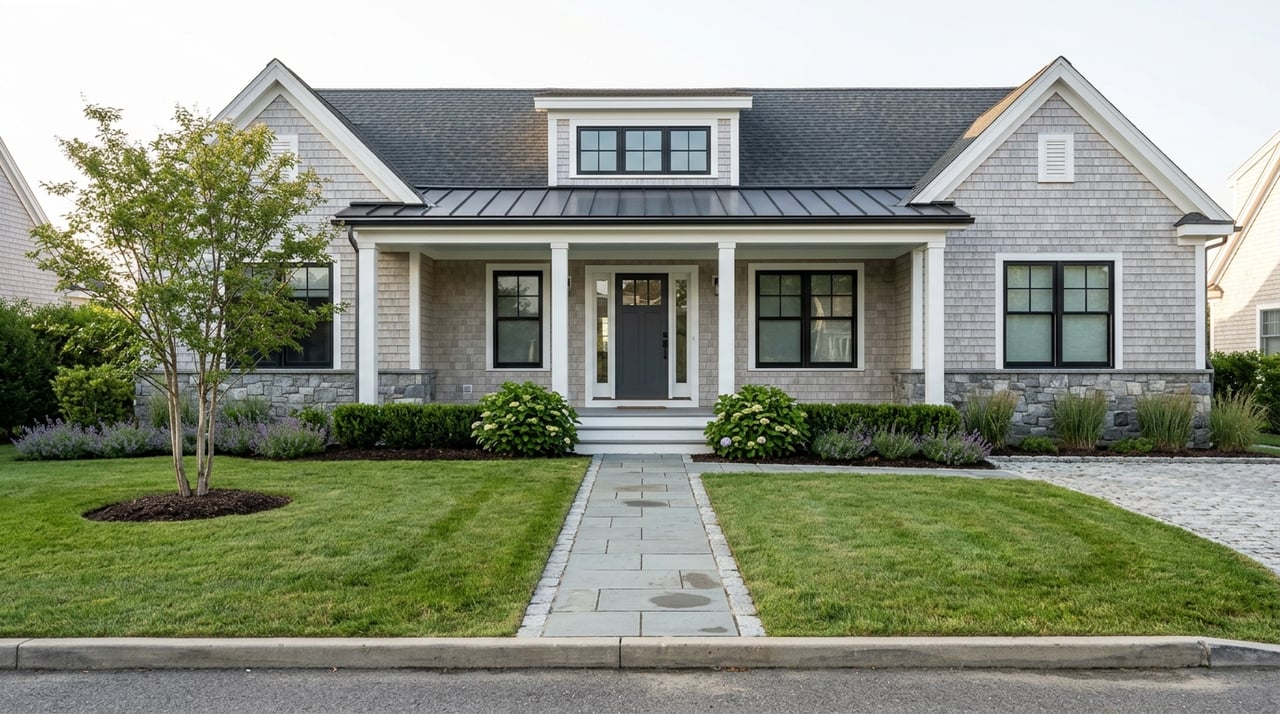
Scituate’s housing stock is still led by detached single-family homes. According to the 2025 Housing Production Plan, 84.5% of housing units in 2023 were single-family detached.
The same plan shows 88.5% owner occupancy and 11.5% renter occupancy, with about 6.4% of units used seasonally or occasionally. That points to a town that is largely owner-occupied, with a smaller rental share than many other communities.
A lot of the housing stock is older, which is part of Scituate’s established character. The town’s housing indicators say the median age of a house is 56 years, and only about 10% of the housing stock was built since 2000.
For you as a buyer, that can mean charm, mature neighborhoods, and strong location appeal. It can also mean comparing updates, maintenance needs, and layout differences from one property to the next.
Condos, Townhomes, and Smaller-Footprint Options
While single-family homes dominate, Scituate does have variety. The harbor core includes condos and apartments above the shops along Front Street, while the Greenbush-Driftway district includes historic single-family homes and cottages along with condos, townhouses, and marina-adjacent opportunities.
Condominiums are a growing segment of the market. The 2025 plan reports 858 condo units, up from 616 in fiscal year 2020.
That matters if you want Scituate’s coastal lifestyle in a lower-maintenance format. It also matters for first-time buyers, downsizers, and anyone comparing detached homes with condos or townhouses in a higher-price coastal market.
Scituate Home Prices in Context
Scituate is not an entry-level coastal market. The town’s 2025 Housing Production Plan says the median sales price at the end of 2024 was $888,000 for single-family homes and $838,500 for condos.
More recent Redfin data for the three months ending May 2026 places the all-home-types median sale price at $919,450. That same data shows homes selling in about 19 days and at about 102.8% of list price on average.
Taken together, the practical takeaway is that Scituate generally sits in the high-$800,000s to low-$900,000s for typical home pricing. It is also a competitive market where pricing, preparation, and timing can matter quickly.
The town’s housing plan adds another important detail: 83% of homes sold in 2024 for more than $700,000, and 78% of sales involved single-family homes. That reinforces the idea that buyers often need to be ready for both limited affordability and strong competition.
How Scituate Compares Nearby
If you are looking across the South Shore, Scituate lands in the middle-to-upper coastal tier based on current median sale prices.
| Town | Median Sale Price |
|---|---|
| Plymouth | $707,577 |
| Marshfield | $797,023 |
| Scituate | $919,450 |
| Duxbury | $1,179,294 |
| Hingham | $1,348,193 |
| Cohasset | $1,519,466 |
That means Scituate is more expensive than Plymouth and Marshfield, but below Duxbury, Hingham, and Cohasset. For some buyers, that makes it a useful bridge market if you want strong ocean access, village character, and harbor-centered amenities without reaching the highest end of South Shore pricing.
Choosing the Right Area in Scituate
The right fit in Scituate often depends on how you want to live, not just what style of home you want. Some buyers are focused on being close to the harbor and public beaches. Others care more about commuter rail access, road convenience, or a quieter residential setting.
Because the town is organized around several nodes, your experience can vary meaningfully from one area to another. A condo near Front Street, a cottage-style home in an established neighborhood, and a property closer to Greenbush can offer very different routines.
This is where local guidance really helps. In a town with older housing stock, varied micro-locations, and competitive pricing, the details behind the listing photos matter.
Coastal Exposure Matters Too
If you are shopping close to the water, it is smart to pay attention to location-specific exposure. The town’s harbor resiliency plan says Scituate Harbor is low-lying and highly exposed to coastal storms and sea-level rise, and that the business district includes parcels within flood zones.
That does not mean waterfront-adjacent property is off the table. It does mean that in Scituate, the most water-close locations can also be the most exposure-sensitive.
For buyers, that makes due diligence especially important when comparing homes near the harbor, shoreline, or other low-lying areas. For sellers, it is a reminder that knowledgeable pricing and property positioning matter in a market where buyers are looking carefully at both lifestyle and long-term considerations.
Scituate offers a distinct blend of shoreline access, village character, and established neighborhoods that is hard to duplicate elsewhere on the South Shore. If you are considering a move here, the goal is not just finding a home that fits your budget, but choosing the part of town and property type that fit the way you want to live. If you want calm, experienced guidance as you explore Scituate or prepare to sell on the South Shore, Christina Martinez is here to help.
FAQs
What is it like living in Scituate year-round?
- Scituate feels like a coastal village made up of several distinct areas, with an active harbor core, established neighborhoods, and a pace that shifts between busy summers and quieter off-season months.
What housing types are available in Scituate?
- Scituate is mostly made up of single-family homes, but you can also find condos, apartments in the harbor area, townhouses, cottages, and some marina-adjacent housing in places like Greenbush-Driftway.
How expensive are homes in Scituate?
- Recent data places Scituate home prices generally in the high-$800,000s to low-$900,000s, with the all-home-types median sale price at $919,450 for the three months ending May 2026.
Is Scituate a good option for Boston commuters?
- Scituate offers daily MBTA Greenbush Commuter Rail service to South Station and key road connections, but most local trips still rely on cars because the town is low-density.
Are there condos in Scituate for first-time buyers or downsizers?
- Yes, condos are part of the market and are growing in number, especially in areas like Scituate Harbor and Greenbush-Driftway, though they still tend to be priced at the higher end.
What should buyers know about waterfront homes in Scituate?
- Waterfront and harbor-adjacent locations can offer excellent coastal access, but town planning materials note that some of these areas are more exposed to coastal storms, sea-level rise, and flood-zone considerations.